

NFT Vs Crypto: What’s the Difference On The Blockchain?

If you’ve been following developments in blockchain, you must have come across a debate of NFT vs crypto or wondered which one is a better investment. NFTs and crypto are two popular concepts built on blockchain technology.
These applications share some similarities and are sometimes confused with each other, but they have different concepts and use cases. To help you confidently differentiate them, this crypto vs NFT comparison breaks down what each crypto and NFT are and how they work.
We also cover their similarities and core differences, and highlight what the future might hold for crypto and NFT investors. So keep reading to learn more about crypto and NFT main differences, similarities, how to avoid scams, and get answers to some pressing questions about cryptocurrencies and NFTs.
What Is an NFT and How Does It Work?

NFTs (non-fungible tokens) are unique digital assets that represent ownership of a specific item (music, art, or a piece of content) stored on a blockchain. Unlike cryptocurrencies that are fungible (identical), NFTs are non-fungible, meaning each token is one-of-a-kind and cannot be exchanged on a one-to-one basis with another.
In fact, NFTs cannot be copied, substituted, subdivided, or exchanged because of their unique metadata and identification codes. However, you can check any NFT’s rarity before buying or minting (creating) one yourself and selling it to other investors (that’s how ownership transfers).
NFTs work by relying on blockchain technology, primarily Ethereum. On Ethereum, creators “mint” these tokens by embedding unique data, such as a token ID, contract address, and metadata (e.g., an image URL or name), into a smart contract.
Smart contracts facilitate minting, transfer, and verification of ownership automatically once conditions are met. When an NFT is minted, it is linked to a specific asset, and the transaction data is recorded permanently on the blockchain. This ensures that it is authentic and can be traced.
Investors can create NFTs by choosing a digital asset they own the rights to and minting it on supported blockchains using NFT marketplaces. To buy or sell NFTs, individuals use marketplaces where transactions are often conducted using supported cryptocurrencies such as Ethereum.
What Is Cryptocurrency and How Does It Work?
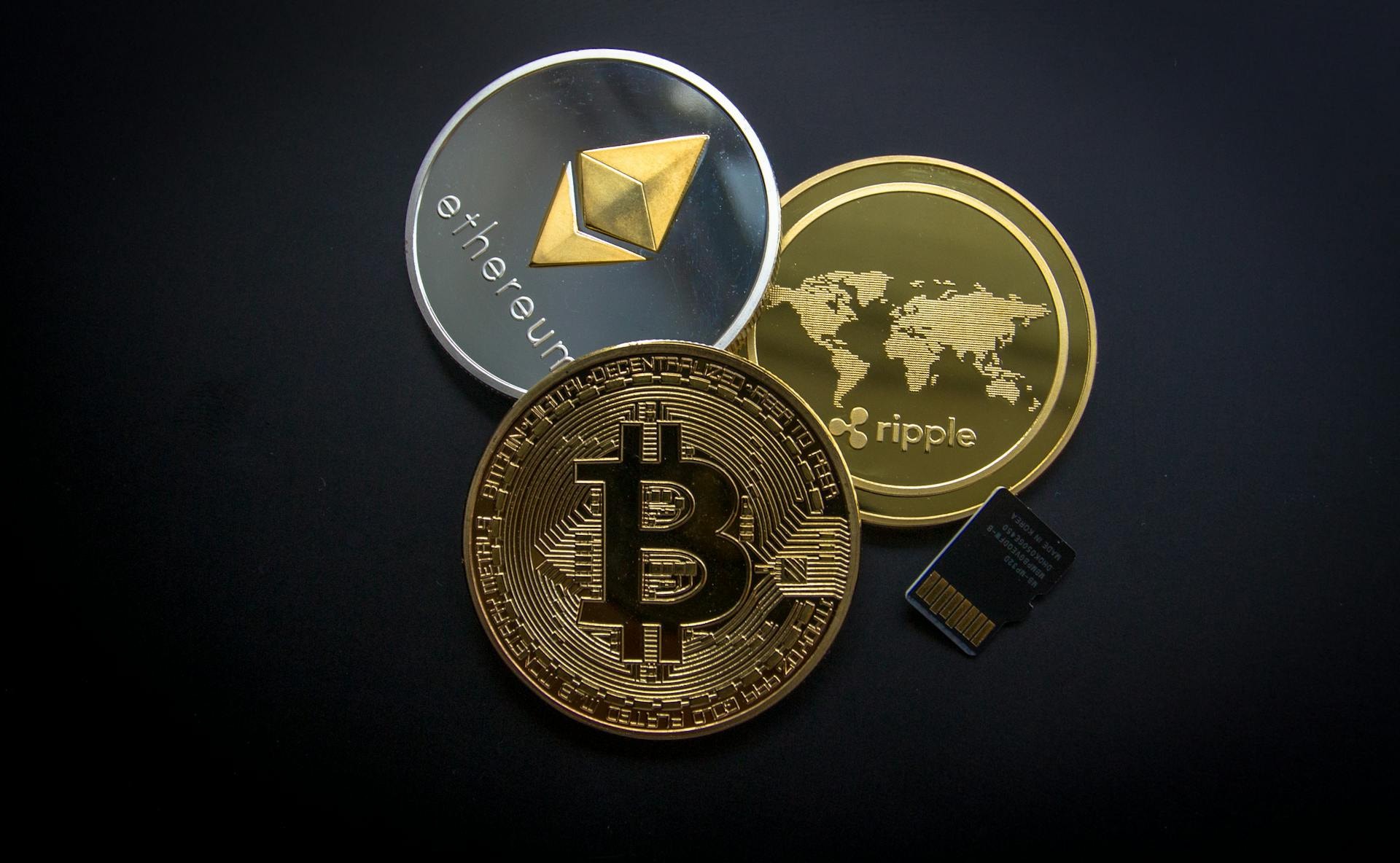
A Cryptocurrency is a form of digital currency built on blockchain technology to facilitate cross-border transactions. Before diving deeper, beginners may want to explore what cryptocurrency is and how it works to fully understand the foundations of blockchain-based assets. This virtual currency uses cryptography to secure transactions and operates independently of any central authority, like a government or bank.
Crypto assets are stored and transacted through digital wallets and rely on blockchain technology. A blockchain technology is a decentralized public ledger that securely and transparently records all transactions.
Investors can send or receive cryptocurrency directly to each other without a middleman, using encryption to verify and protect the transactions. Cryptocurrency works by running on a distributed network of computers that collectively maintain and update the digital ledger.
New coins are often created through a process called mining, where computers solve complex mathematical problems. Popular cryptocurrencies include Bitcoin, the first cryptocurrency, and others such as Ethereum, Solana, Dogecoin, XRP, Binance Coin, and stablecoins, which are tokens whose value is pegged to physical assets like USD.
NFT vs Crypto: Core Similarities
NFTs and cryptocurrencies share core similarities as blockchain-based digital assets that enable decentralized ownership and transactions. Both rely on the same underlying technology for security, transparency, and peer-to-peer transfers without the need for central intermediaries.
Here is a rundown of their similarities:
- They are Both Digital Assets: Both represent ownable, tradable items in digital form, stored in wallets and exchanges, and transferable via blockchain networks.
- Blockchain Foundation: They use distributed ledgers to record transactions immutably, ensuring authenticity and preventing duplication or fraud.
- Decentralization: Managed by global networks of computers rather than central authorities. This promotes community governance and resistance to censorship.
- Tokenization and Transferability: NFTs and cryptocurrencies function as tokens on blockchains. These tokens allow users to buy, sell, or swap them on marketplaces and supported exchanges.
- Web3 Integration: They are both part of the decentralized web ecosystem. Platforms and developers often use them together to facilitate transactions. For instance, cryptocurrencies like Ethereum power the creation of non-fungible tokens and trading.
NFT vs Crypto: Key Differences
While they have strong similarities, NFTs and cryptocurrencies differ in fungibility, purpose, and ownership structure. Cryptocurrencies serve as interchangeable digital money, while non-fungible tokens represent ownership.
| Criteria | NFTs | Crypto |
| Fungibility | Non-fungible (non-interchangeable, meaning each NFT is unique) | Fungible (interchangeable like a physical asset) |
| Purpose | NFT represents ownership of a particular item | Crypto primarily serves as a form of payment and a store of value |
| Divisibility | It can’t be divided. Must be bought or sold as a whole. | Can be divided and sold in units |
| Value | Uniqueness, rarity, and metadata like provenance | Market demand and supply |
| Where to Buy | NFT marketplaces like OpenSea, Decentraland, Rarible, SuperRare, and NBA Top Shot.
You can also buy NFTs on exchanges with an integrated marketplace. Popular examples are Binance, Crypto.com, and eToro. |
Crypto exchanges like Binance, Bybit, Coinbase, MEXC, Trust Wallet, and Kraken. |
| Examples | Bored Ape Yacht Club, CryptoPunks, Axie Infinity, and Clone X. | Bitcoin, Ethereum, USDT, Litecoin, and Solana. |
There are more auction houses, NFT marketplaces, and hundreds of crypto exchanges you can explore. We’ve put together a comprehensive list of the best NFT marketplaces and platforms for investors looking to mint, buy, or sell non-fungible tokens.
And if you’re exploring crypto trading and are looking for the best exchange to use, this compilation of the best crypto exchanges scores various platforms based on their features, fee structure, security, and other metrics to help you decide on the best one.
NFT vs Crypto: Which One is Better for Investment?
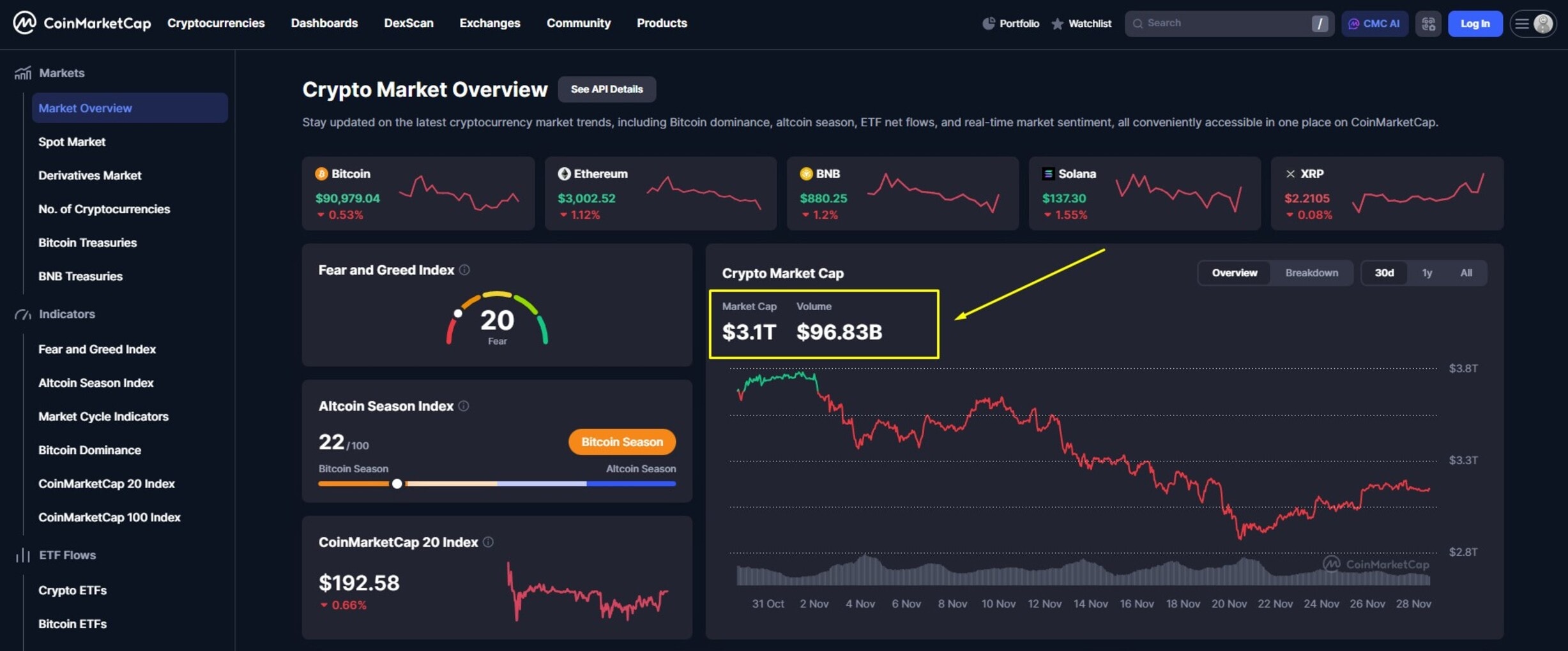
NFTs and crypto can be good for investment, but they are risky, and the one you choose to invest in depends on several personal factors and preferences. Ideally, your choice should depend on your risk tolerance, goals, and the market conditions.
Cryptocurrencies are experiencing greater adoption and liquidity, meaning more people are buying, selling, and trading various crypto assets. For this reason, it is easier to sell, and since value depends on demand and supply, you can earn substantial profits when the value of a crypto asset you own goes up.
Like cryptocurrencies, NFTs are highly volatile, and their value depends on their uniqueness, rarity, and, sometimes, hype. So, if your creation is not unique or the hype drops, you might not find anyone to sell to, or you might be forced to sell for less than you hoped.
NFTs are also less liquid than cryptocurrencies and are harder to sell quickly. In all these, when you buy an NFT, ownership is transferred to you until you decide to sell it, so it is unique to you, unlike cryptocurrencies.
Can NFTs and Cryptocurrencies Be Used Together?
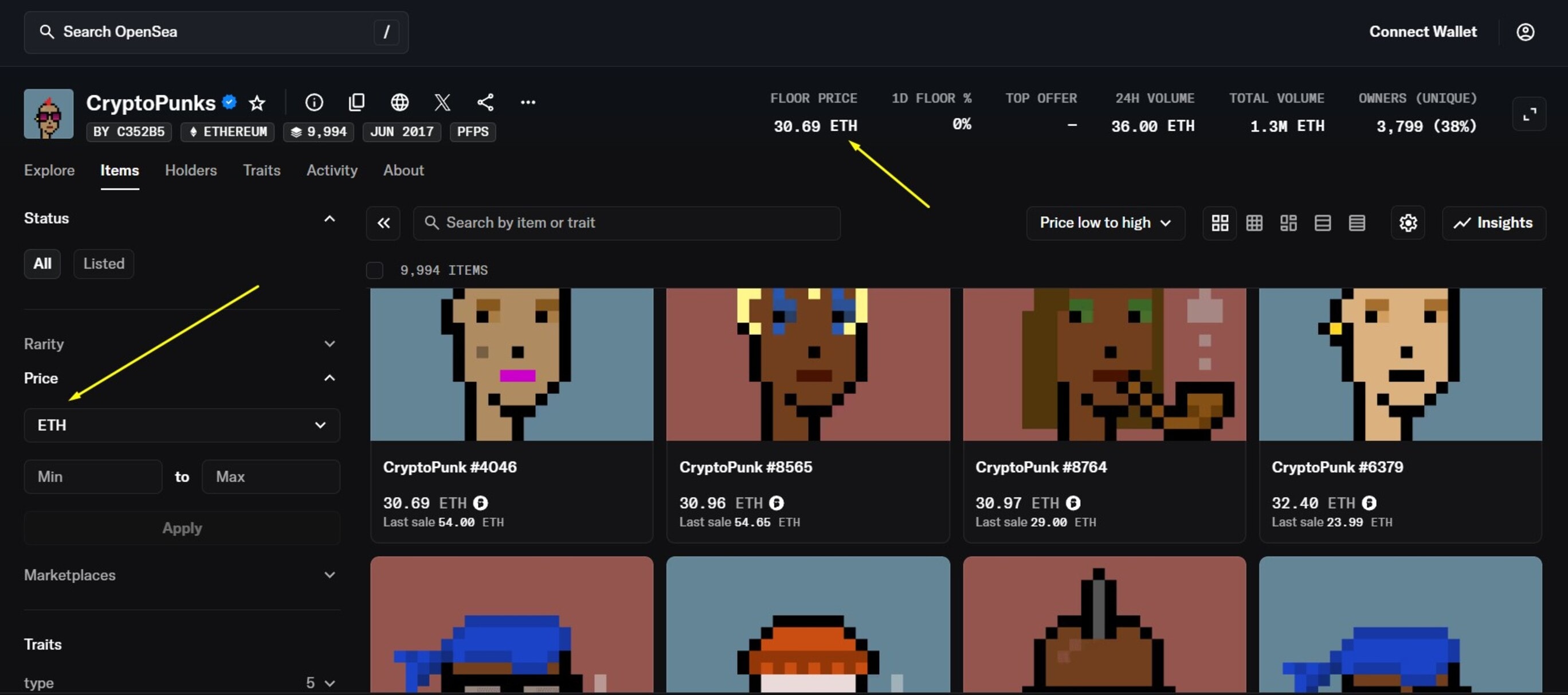
Yes, NFTs and cryptocurrencies are used together since crypto is the primary channel for creating, buying, and selling NFTs. Cryptocurrencies like Ethereum (ETH) and Bitcoin are used to pay “gas fees” for minting NFTs and cover purchase prices on marketplaces.
Aside from fee payments, cryptocurrencies fund NFT ecosystems in gaming, decentralized finance (DeFi), and entertainment. Examples include play-to-earn (P2E) models or collateralizing NFTs for loans.
The Future of Cryptocurrencies and NFTs
A few years ago, NFTs experienced an explosive hype, which led to adoption by celebrities and public figures and the creation of many new tokens. After a while, the hype settler, and some individual NFT collections lost their value while others are still thriving.
Even with this seeming “drop in hype”, NFTs are currently experiencing and will likely see more adoption and technological improvements. As major brands and institutions adopt NFTs for digital collectibles, loyalty programs, and virtual access, mainstream acceptance will grow.
On the other hand, enthusiasts envision that crypto will become an accepted asset class in more countries and take over the traditional financial system. Additionally, they envision decentralized finance becoming the new foundation of the global financial system by offering programmable money and decentralized applications.
Conclusion
NFTs and crypto are different concepts in the web3 space that are both built on blockchain technology. NFTs (non-fungible tokens) are unique digital assets that represent ownership of specific items, such as digital art, collectibles, or other unique content. Meanwhile, cryptocurrencies serve as a store of value and as a form of virtual money, facilitating cross-border transactions.
FAQs
No, Bitcoin is not an NFT. Bitcoin is a cryptocurrency, and it’s fungible, meaning one unit is interchangeable with another of equal value. Simply put, Bitcoin (BTC) functions as a virtual currency for transactions, investments, or value storage.
Yes, investing in NFTs is riskier than investing in cryptocurrencies. This is due to higher volatility, lower liquidity, and more exposure to scams and market saturation. While they are good investments, NFTs are not as easy to sell as cryptocurrencies.
No, an NFT is not a cryptocurrency. Both NFTs and cryptocurrencies are digital assets that exist on a blockchain, but they are different. NFTs are digital tokens that prove ownership of a unique digital asset such as art, music, videos, or collectibles. In contrast, cryptocurrencies represent virtual currencies that are interchangeable, like fiat currencies.
To prevent NFT and crypto scams, do the following:
- Research projects and creators: Check transaction histories on blockchain explorers, verify social media accounts, and review reviews for red flags such as other user complaints.
- Only trade on reputable platforms: Trade only on trusted marketplaces and exchanges. Also, double-check the platforms’ URLs to avoid phishing sites.
- Enable 2FA and other account-level security protocols: Most platforms offer additional security measures beyond their built-in protections. To add an extra layer of safety, activate the suggested features.
- Use hardware wallets: If you plan to hold your digital tokens long-term or do not trade actively, get a hardware wallet like Ledger or Tangem and store your main assets offline.
Platforms that use both cryptocurrencies and NFTs include well-known NFT platforms such as OpenSea, Binance NFT, Crypto.com NFT, and Rarible. These platforms allow investors to buy, sell, and trade NFTs using cryptocurrencies such as Ethereum (ETH), Bitcoin (BTC), and stablecoins as the medium of exchange.
Yes, cryptocurrency can be used to buy NFTs. Most NFTs are bought using cryptocurrencies. Ethereum is the most common currency used for NFT transactions. Many NFT marketplaces also accept other cryptocurrencies or, in some cases, credit or debit cards for buying NFTs.
The value of NFTs often depends on rarity, uniqueness, and perceived importance. On the flip side, cryptocurrencies are fungible digital currencies primarily used as mediums of exchange or stores of value, with their value determined by market demand and supply.
Therefore, whether NFTs are more valuable than cryptocurrencies depends on your goals. NFTs have economic and non-economic value as unique digital assets, while cryptocurrencies hold more fluid economic value.
The post NFT Vs Crypto: What’s the Difference On The Blockchain? appeared first on NFT Plazas.